My Story & Background
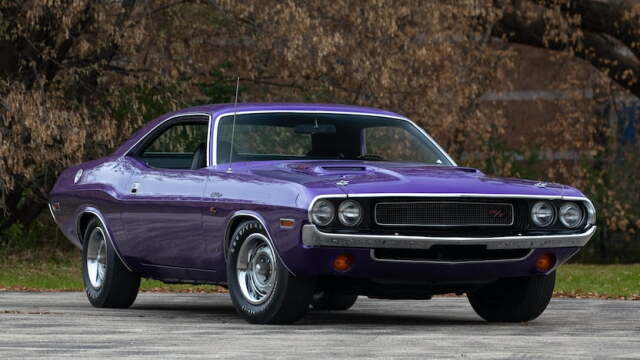
I was 13 years old in 1970. Old enough to experience the great muscle car era, not quite old enough to be a player in the game. By the time I got my drivers license, the era was all but over. Graduation day came and it was time to move on, but in the back of my mind there was always... 'Someday'. Life came with responsibility and family was always first and formost. 'Someday' didn't come until retirement.
'Someday' came on New Years Eve of 2021.
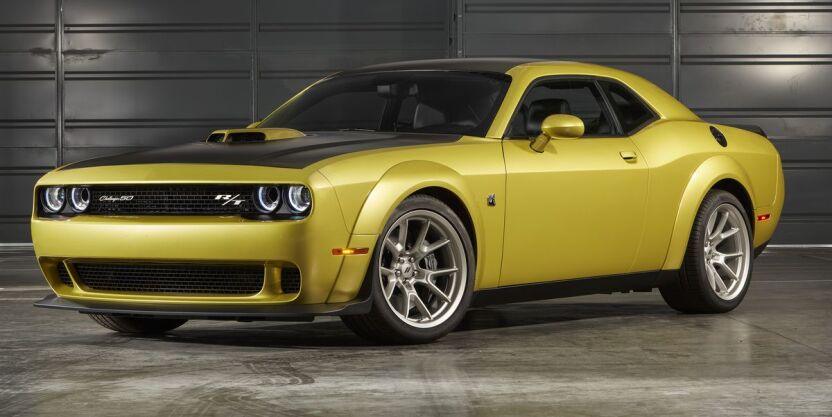
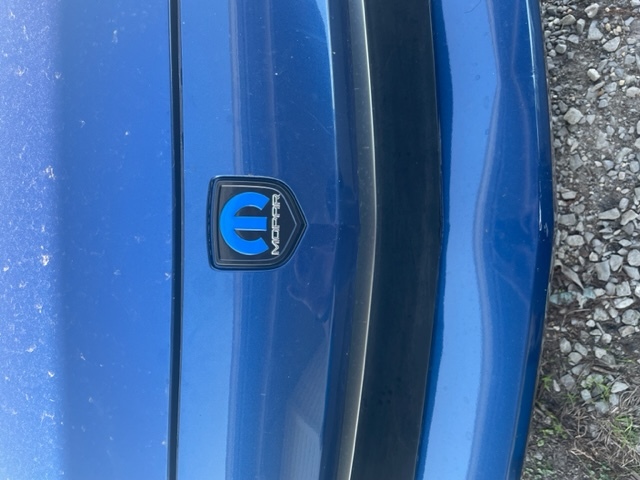
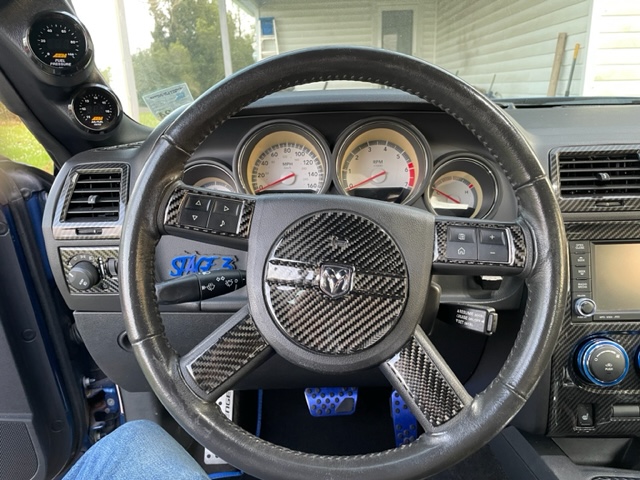
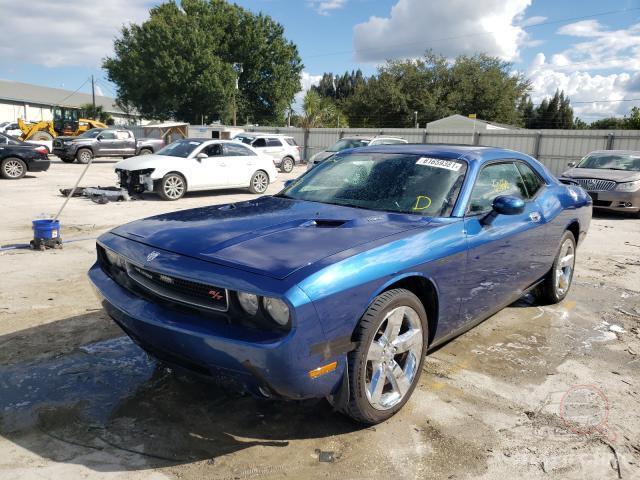
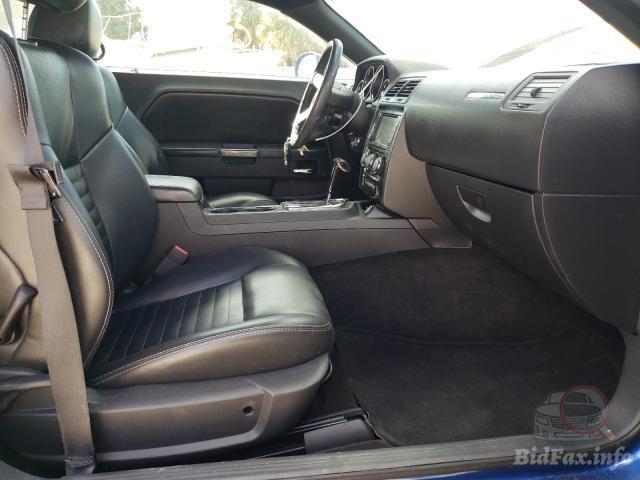
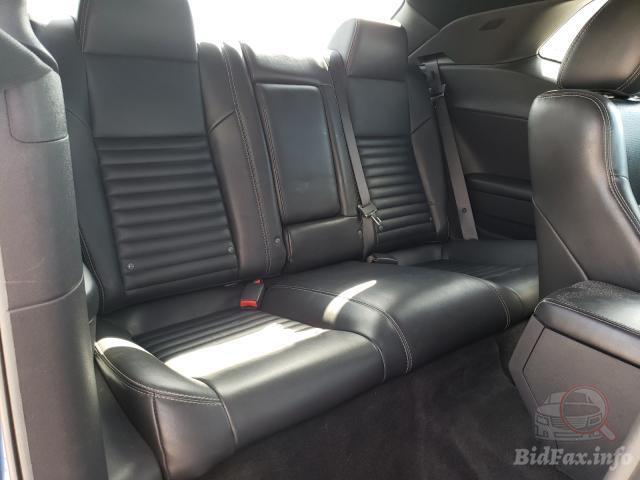
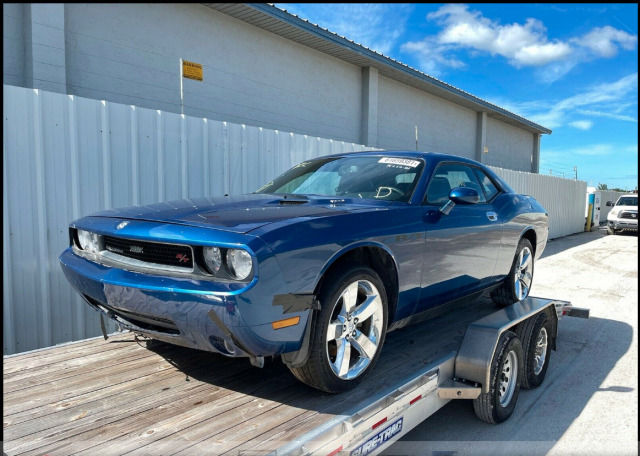
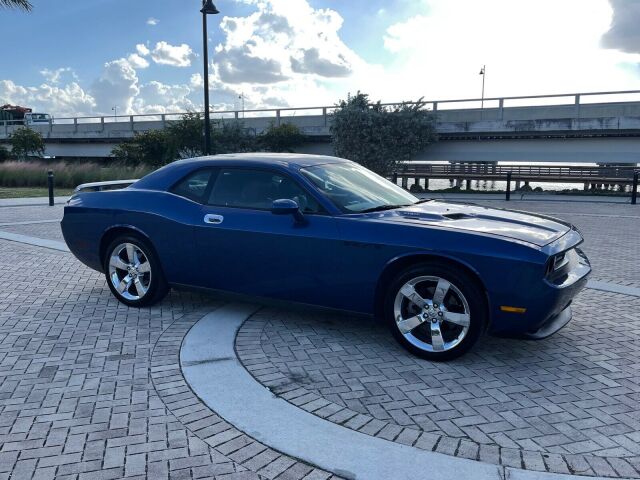
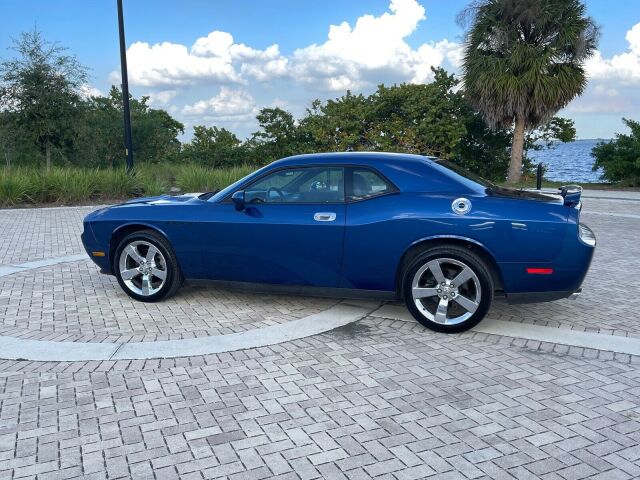
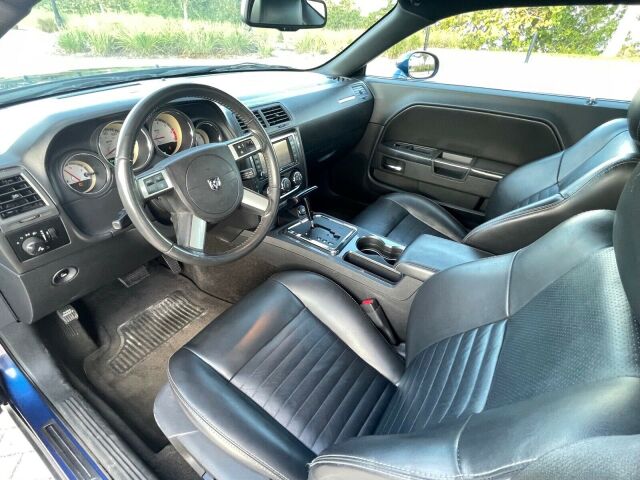
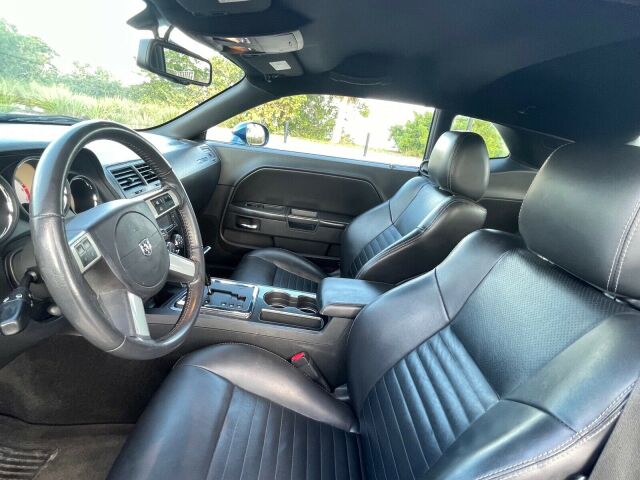
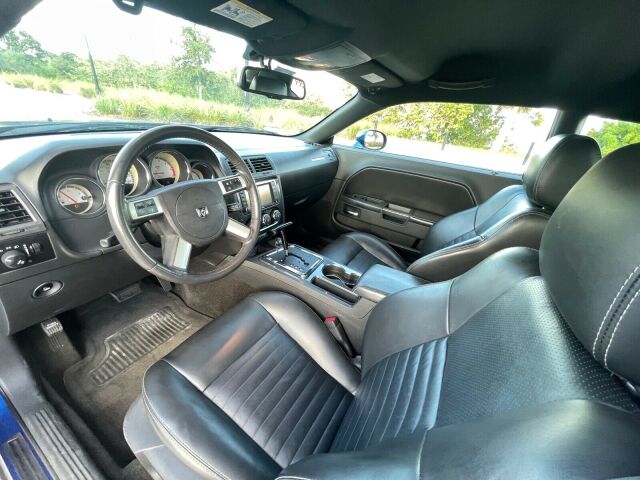
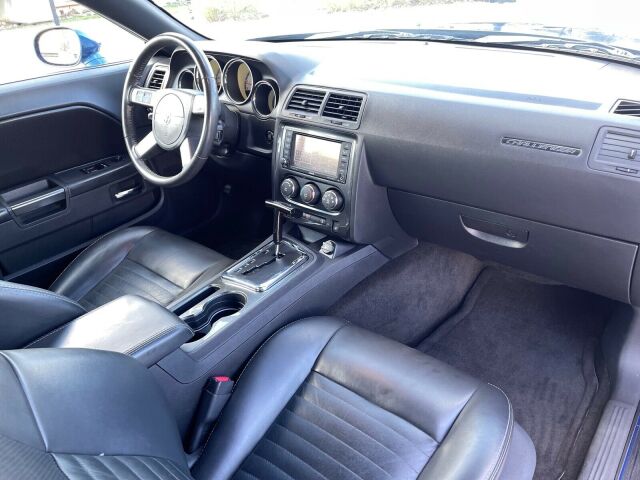
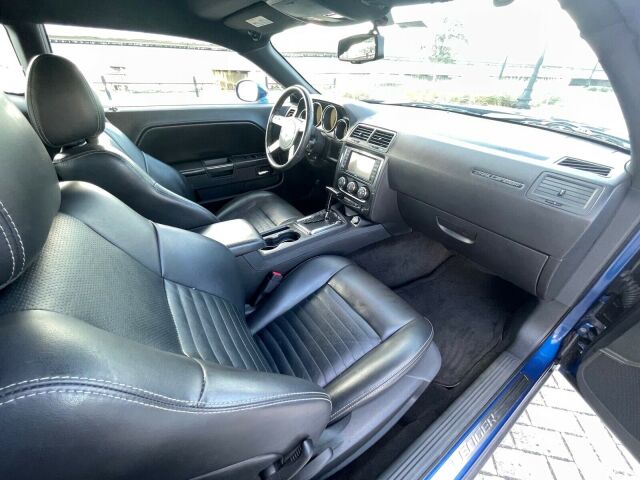
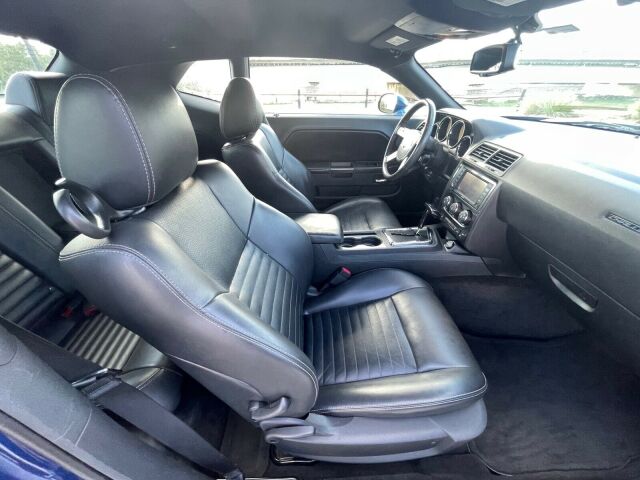
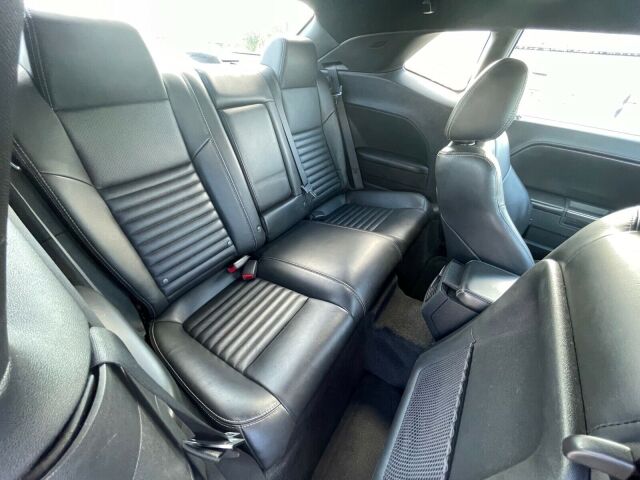
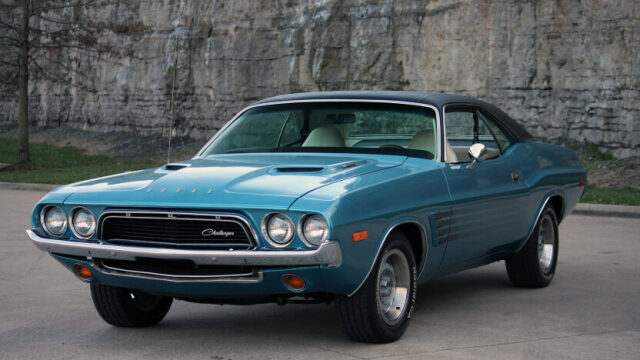
The goal was to get a 1970 Challenger R/T, but taking out a second mortgage was not part of that plan. So, the 2008 - 2014 Challenger's were as close visually, as I was going to get with the resemblance of the front grill and tail lights. Blue was my preference with a black or dark interior. I knew I had found my Challenger R/T. 🤩
When I took ownership of the car on 12/31/2021, it had 61,384 miles on it. Eight months later, at about 68,745, I began hearing the dreaded "HEMI Tick". 🤬
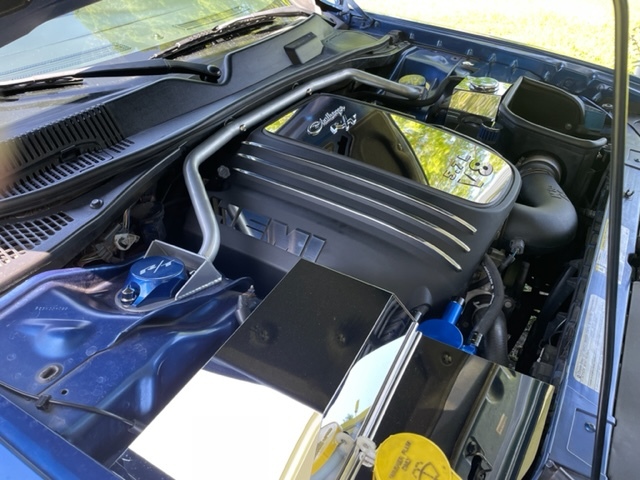
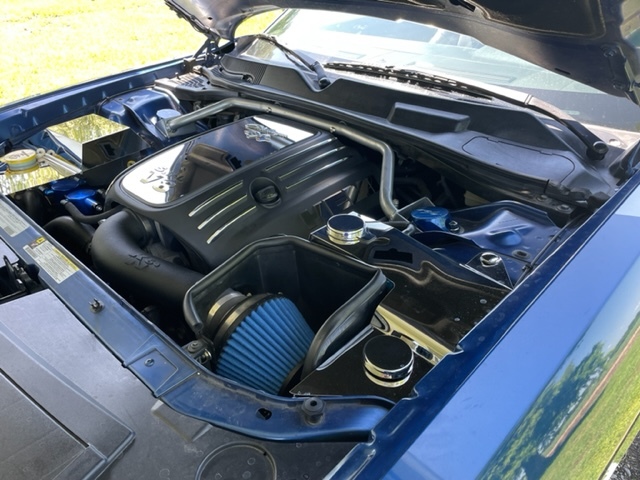
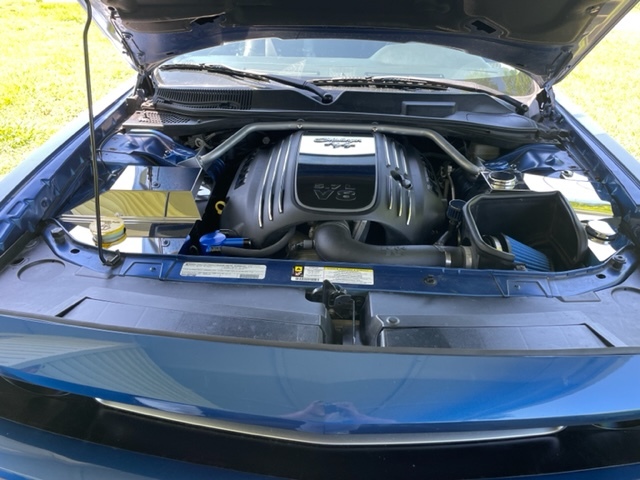
Within days it progressively got worse, so I was off to the speed shop. They diagnosed it and found that cylinder #6 had dropped the lifter. Though it wasn't planned, it either had to be fixed or built. I went with built. Dyno shows 468 hp at the crank, 405 hp at the wheels and redline moved from 5700 rpm to 6500 rpm. Transmission is the original stock NAG1 5 speed, other than the torque converter. The rear is stock.
( A future project )
The original paint color of my car is Deep Water Blue Pearl, which I discovered was a 2009 color. Dodge faced supplier issues and instead of seeking a new supplier, they discontinued the color and used up their remaining inventory on the 2010 models. In 2010, 57,174 Challengers were built, and of the 1598 Challenger R/T's that were painted in this color:
1103 were automatics:
- 485 had sunroofs
- 618 were hardtops
495 were manual shift
- 225 had sunroofs
- 270 were hardtops
My car falls under the hardtop automatic family, and I often wonder how many of the original 618 hardtops are still on the road. 🤔
Ford, General Motors, and Chrysler advertise horsepower at the crank, which is the standard measurement device for determining an engine's horsepower. The 5.7L HEMI from Dodge, with a displacement of 345 cubic inches, is advertised at 372-375 horsepower at the crank. This figure refers to the engine's rotating crankshaft and is also known as brake horsepower. However, the wheel horsepower is a more critical metric as it reflects the power delivered to the road through the wheels, after taking into account drivetrain loss. In order to increase the power transferred from the engine to the wheels, various modifications such as transmission and rear gearing changes can be made. The Dodge Challenger, weighing a little over 4000 lbs, is a heavy car, which makes it more challenging to achieve higher wheel horsepower. There's a good HP To WHP / WHP To HP Calculator here. The only way to know where your car stands is to put it on a dyno. 😎
When I was putting my build together, it was never about challenging Scatpacks or Hellcats. Although it has moved closer to the Scatpack range, my main goal was to have a car that was a cut above the average stock R/T and other cars of that caliber. It's a fun car to drive, and for the most part, it can hold its own. It has that sweet cam chop and can/does raises eyebrows from time to time. As an enthusiast, I'm not out cruising for races or going to the drag strip on weekends. It's all just good fun and memories of days gone by. 😉
Right now ( before they were discontinued ) on Dodge's website, a 2023 stock V6 Challenger is over $30,000.00 for a bare bones no frills model. I'm well under that with my purchase & build. The body style doesn't change enough for it to be a factor to me. I like how closely it resembles the 1970 R/T. When you see it, you know what it is. 🤣























.jpg)
.jpg)
.jpg)
.jpg)
.jpg)